Raymond Rebarchek Colony Farm
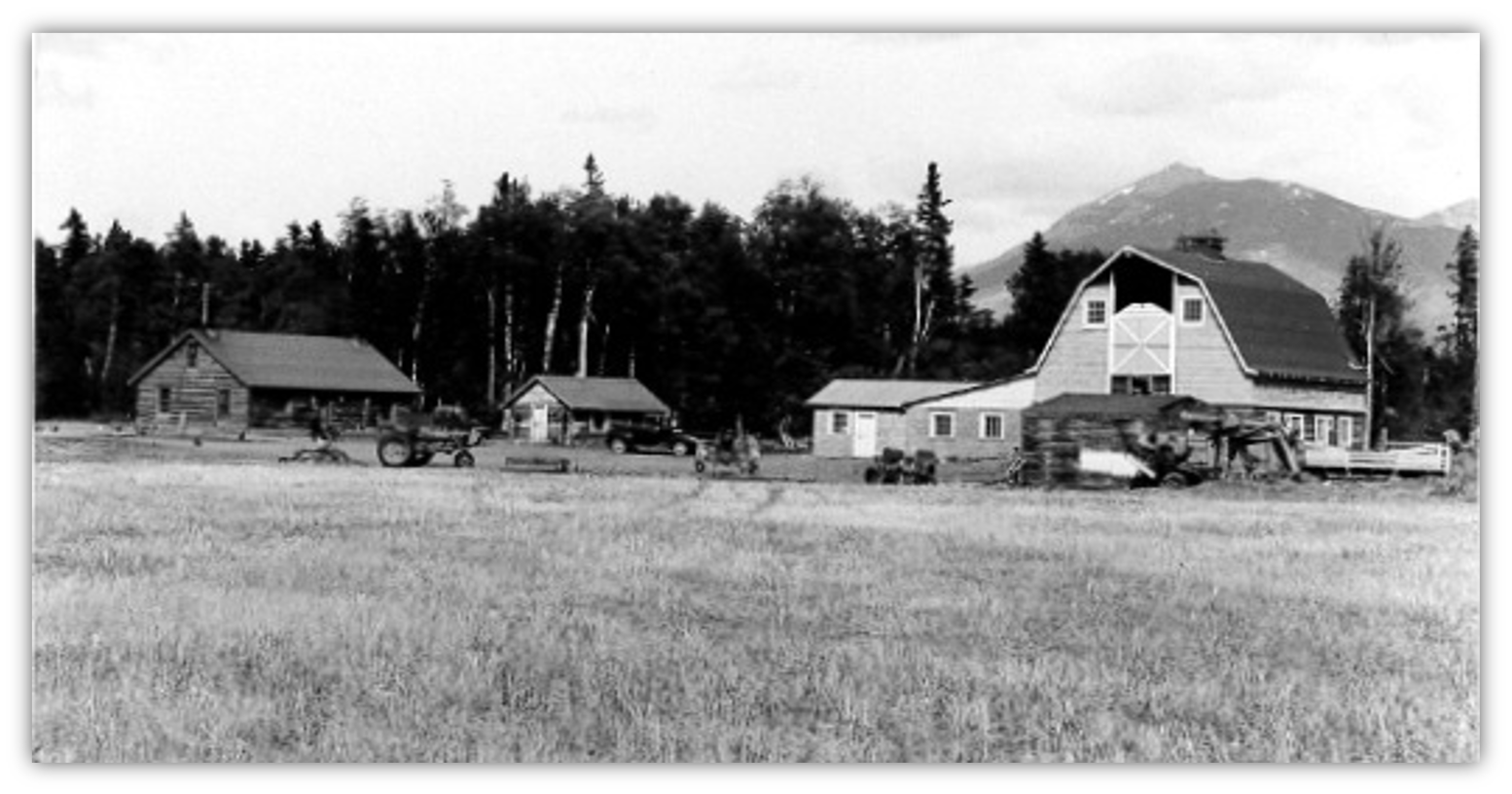
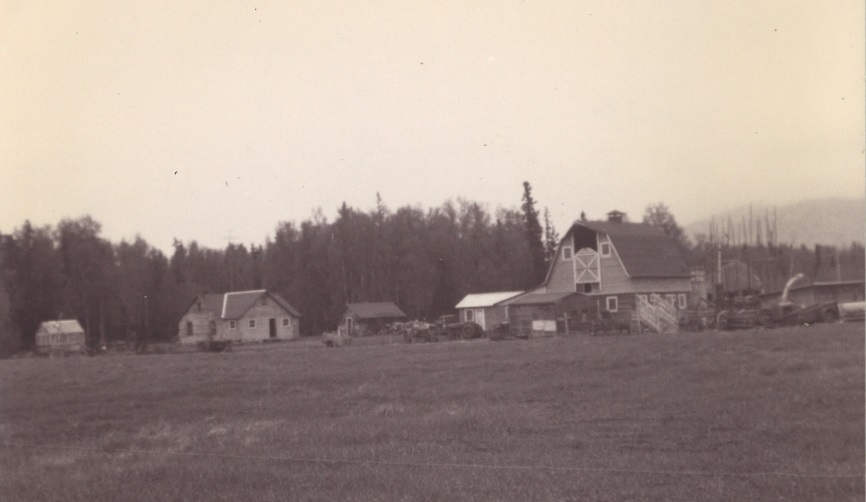
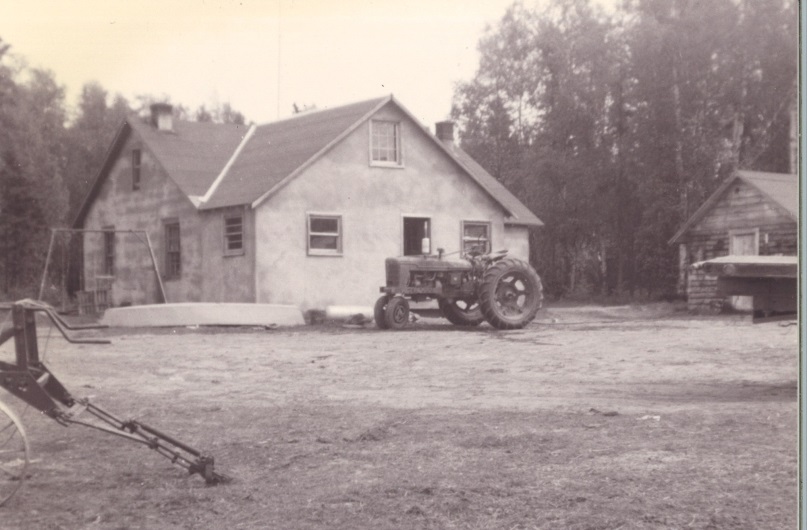
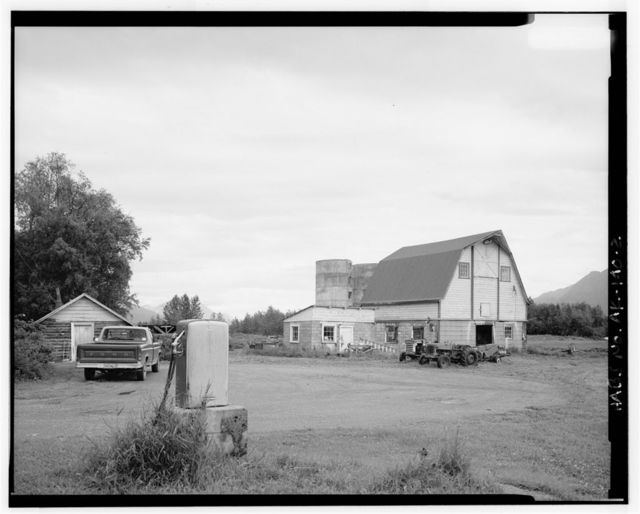
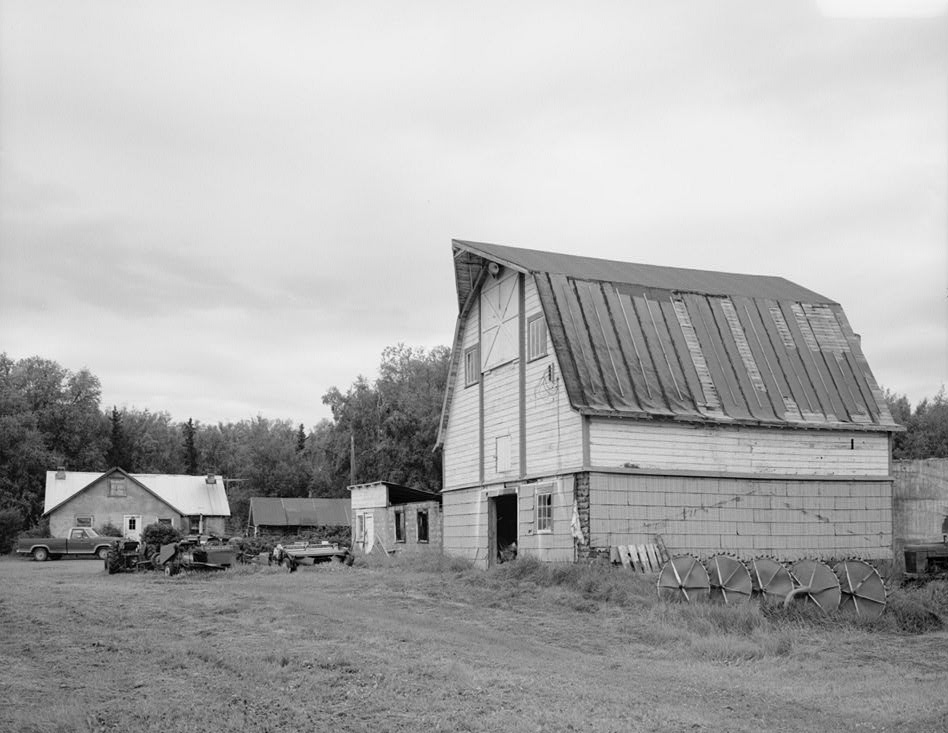
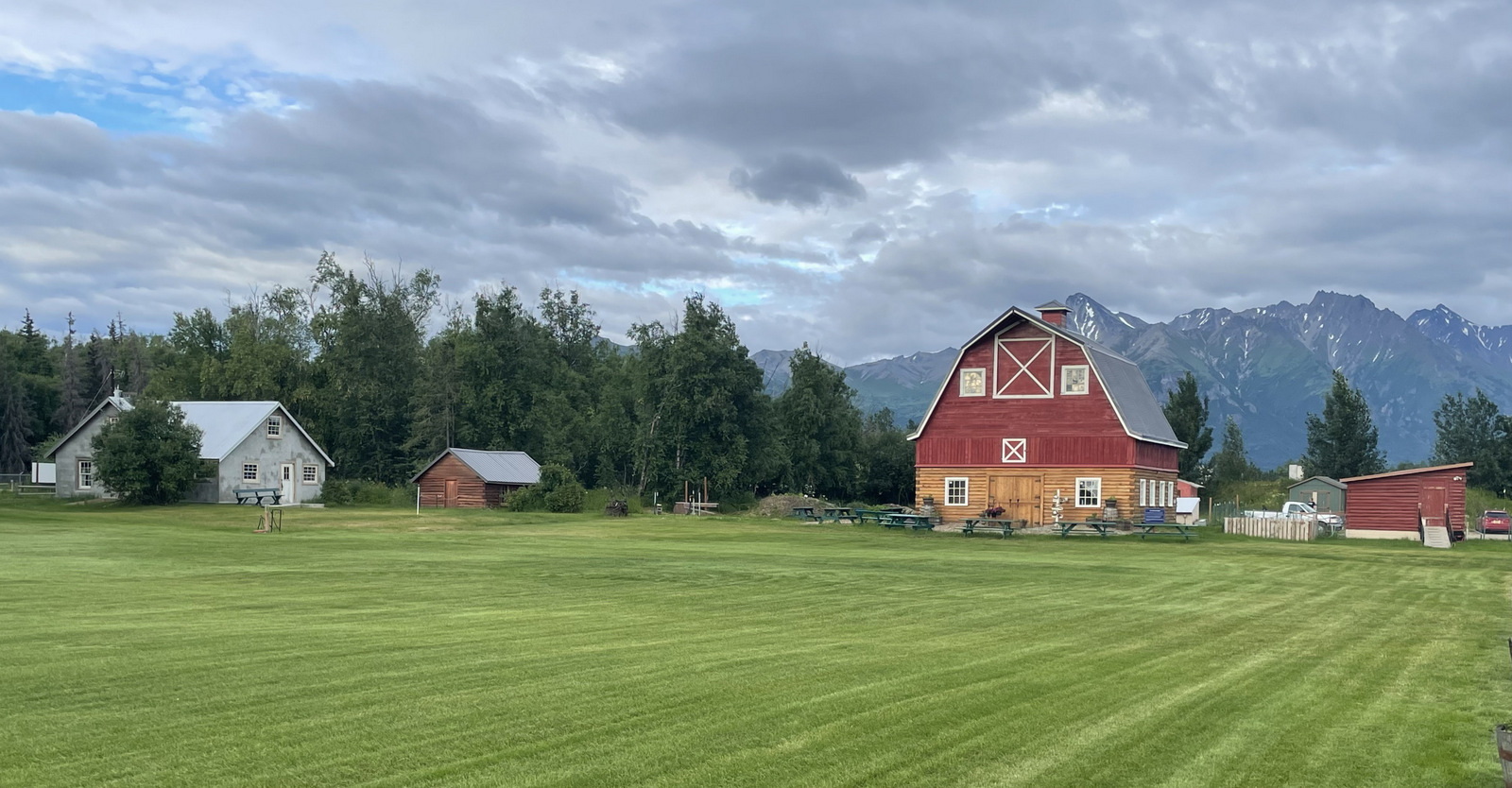
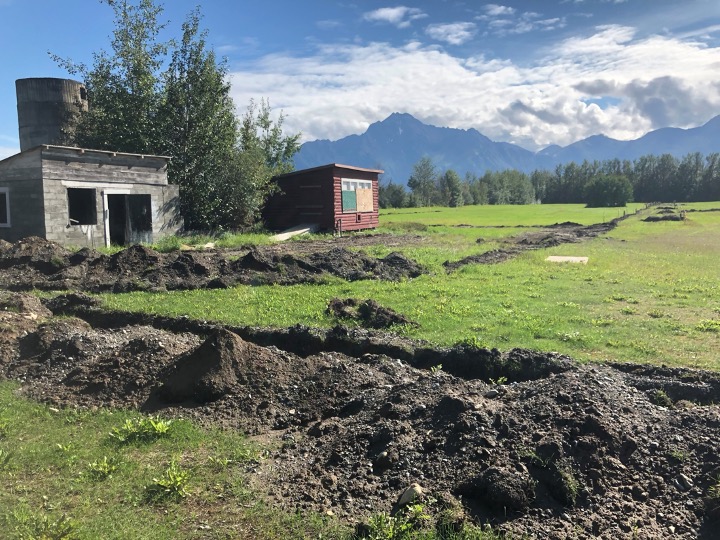
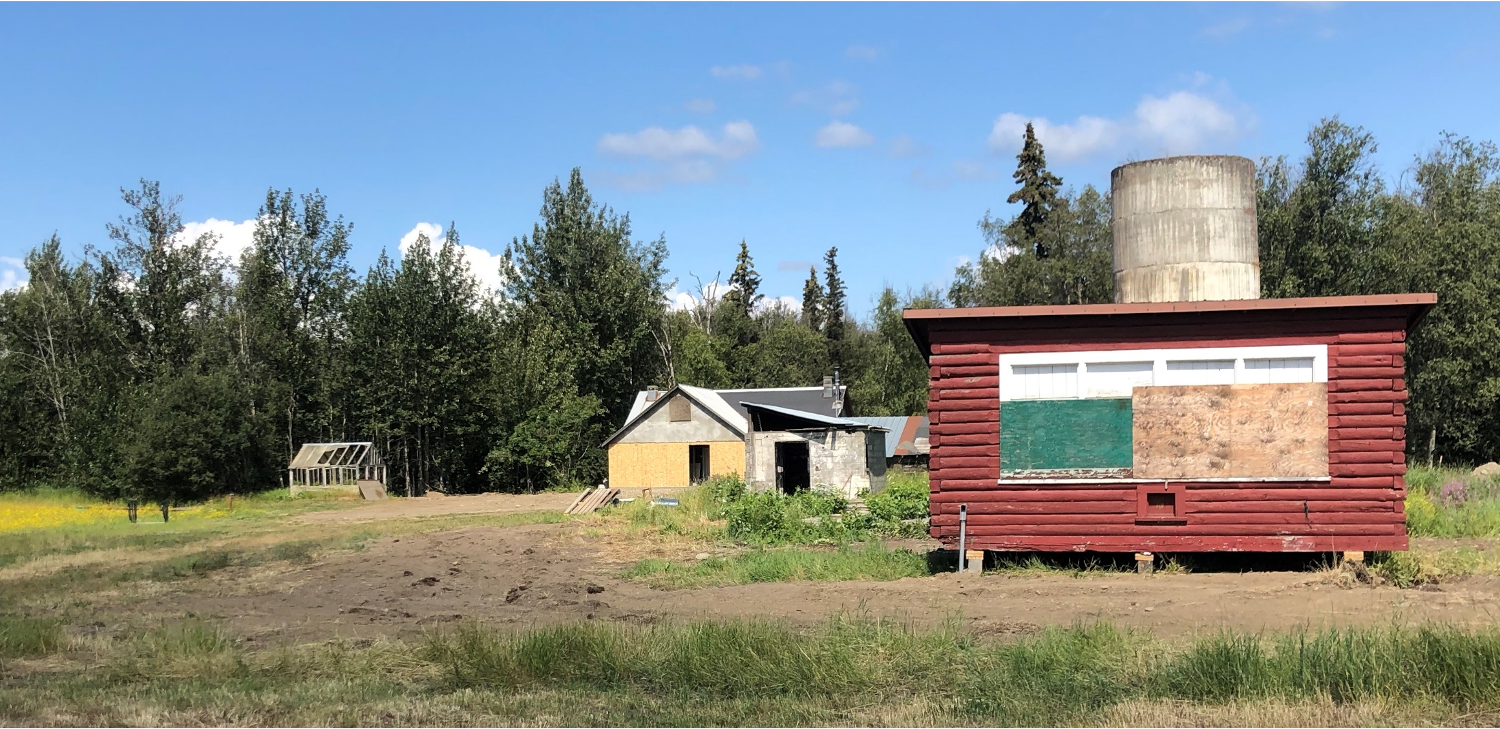
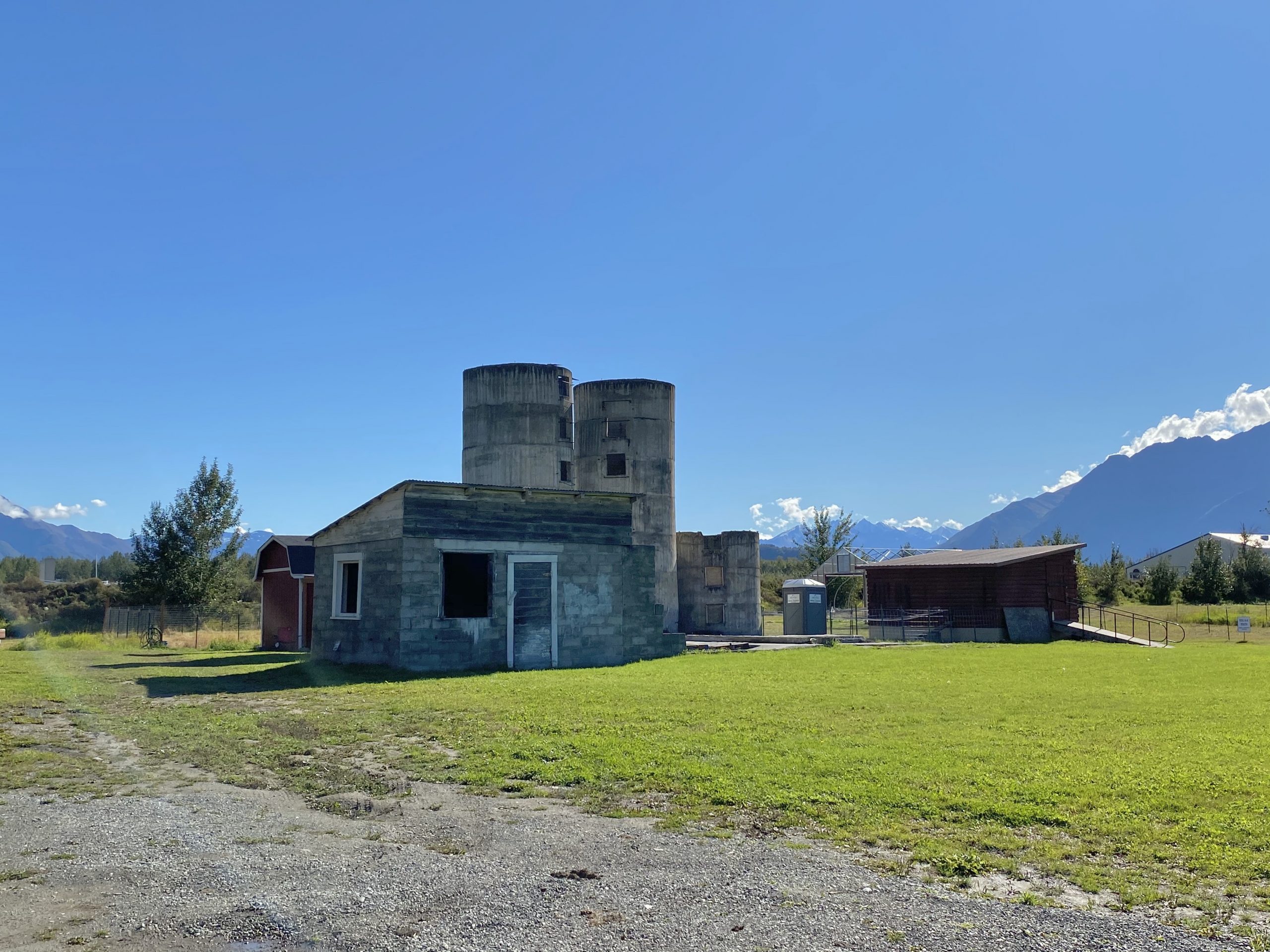
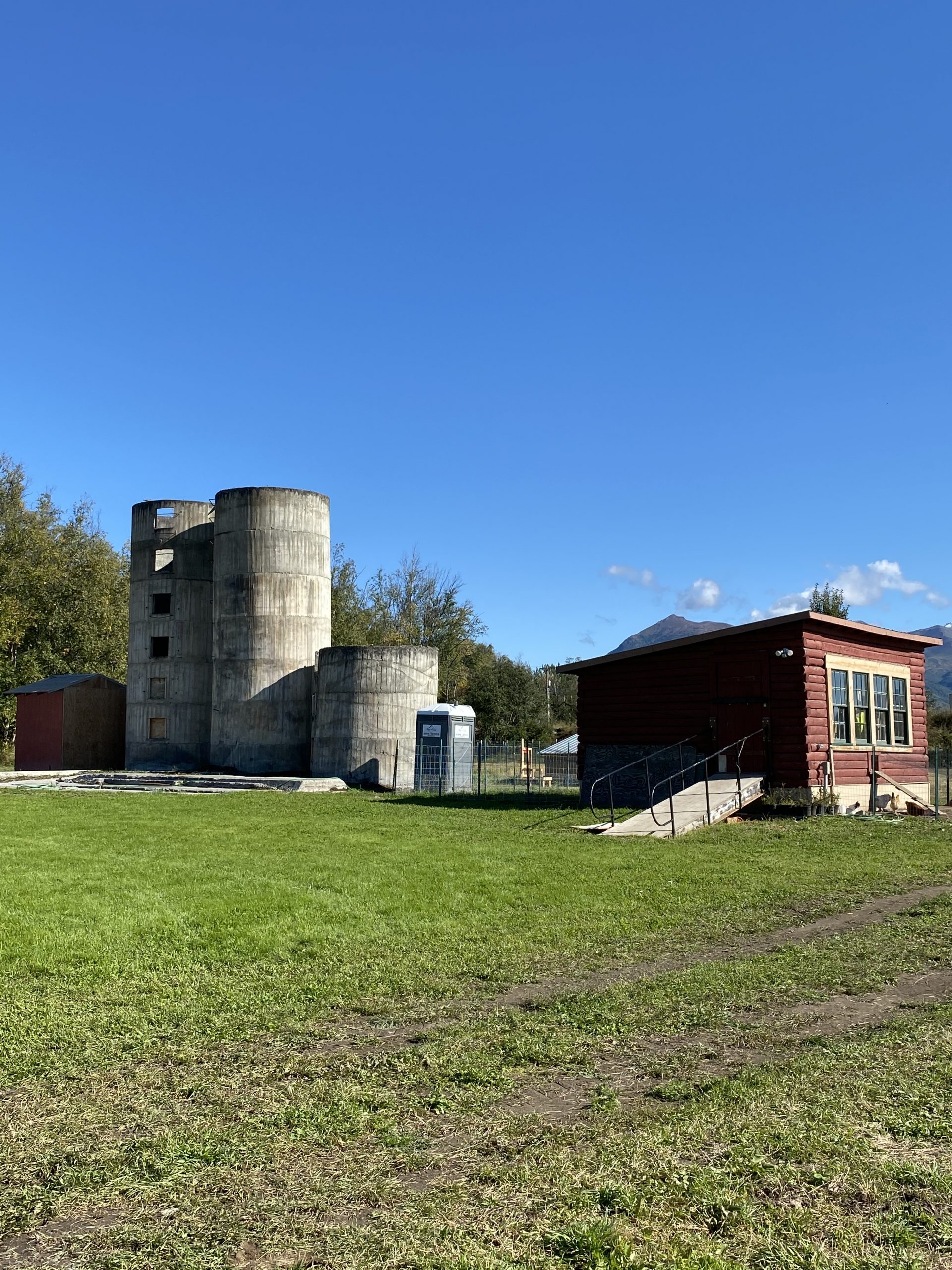
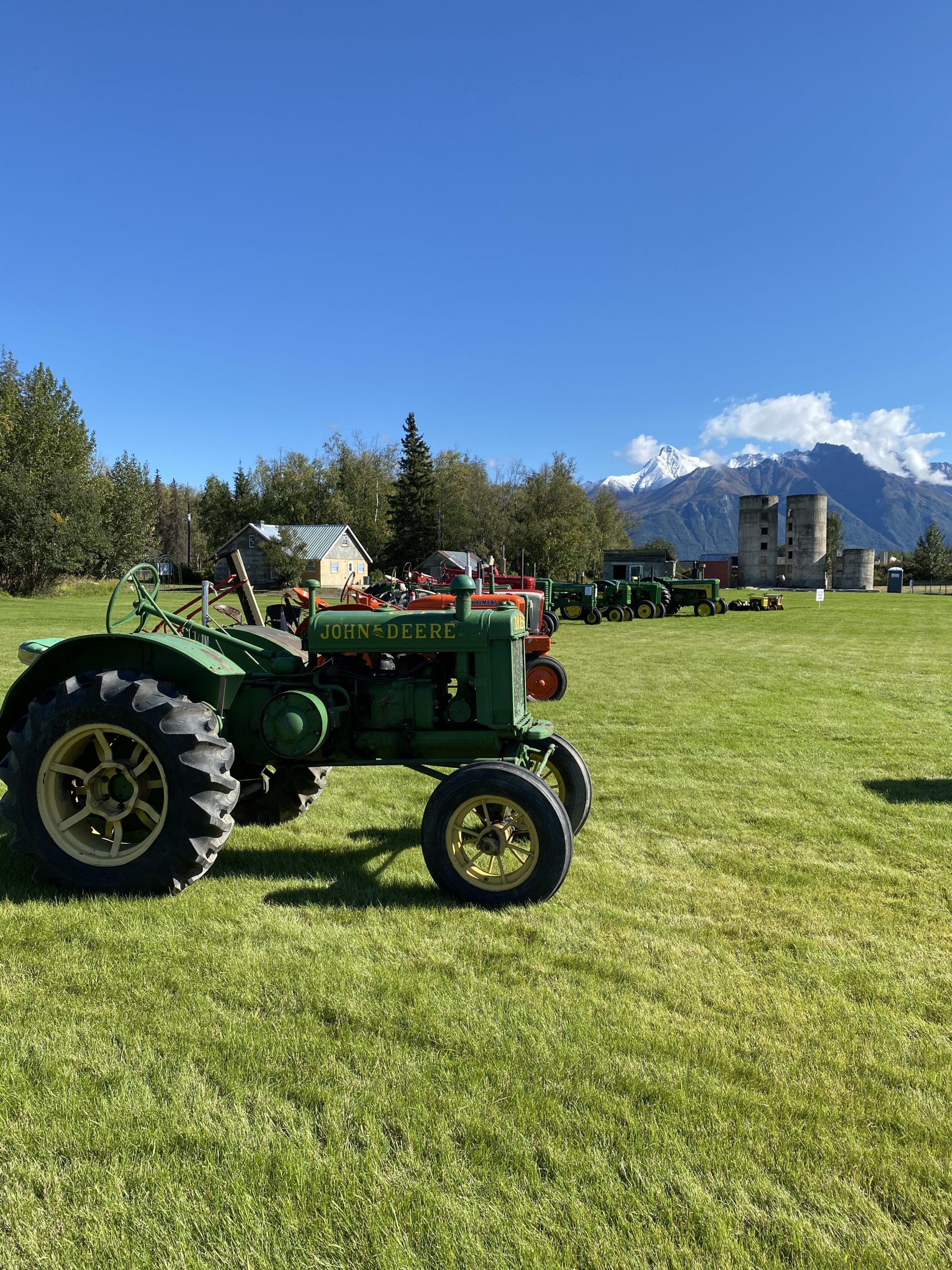
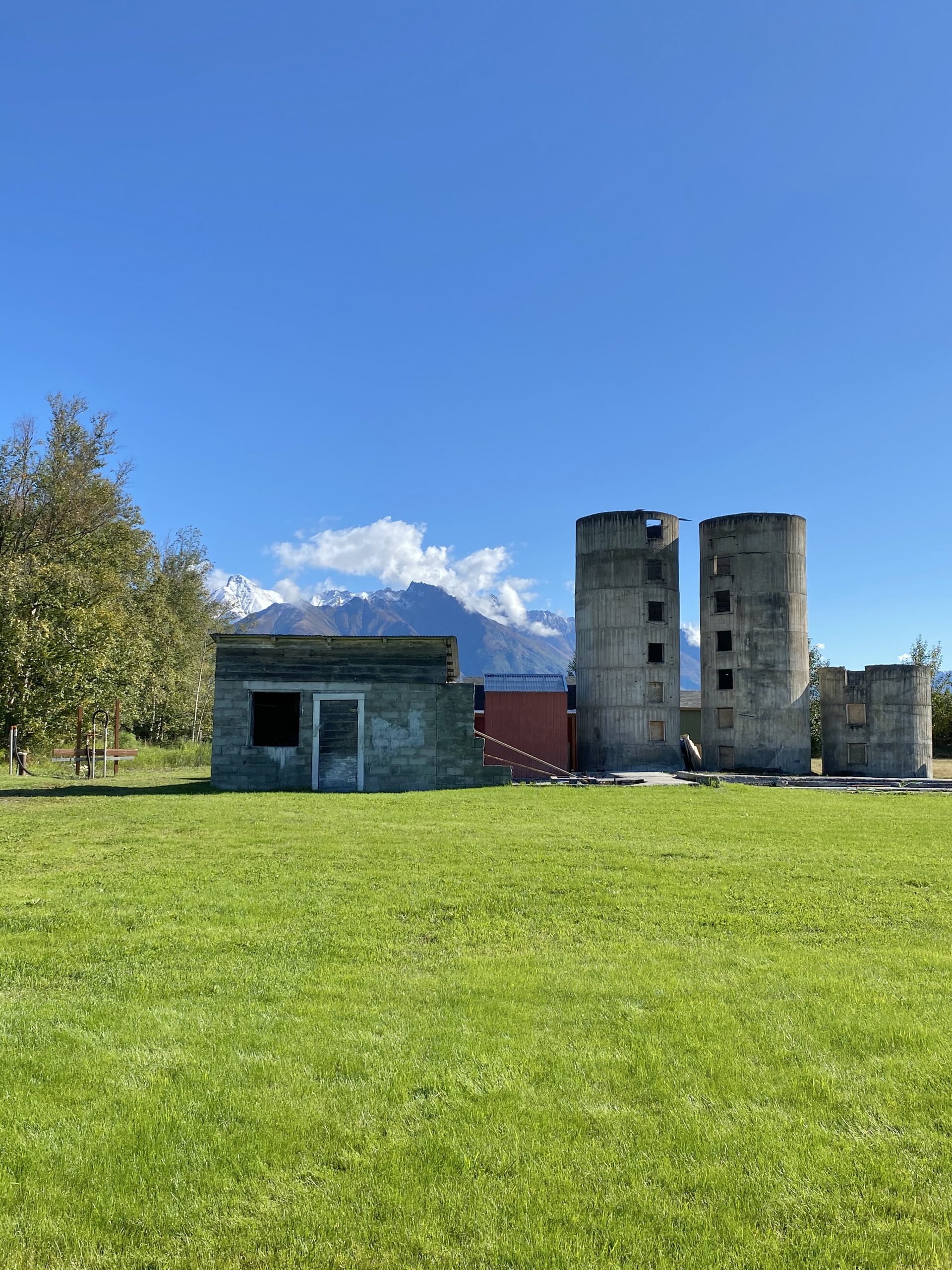
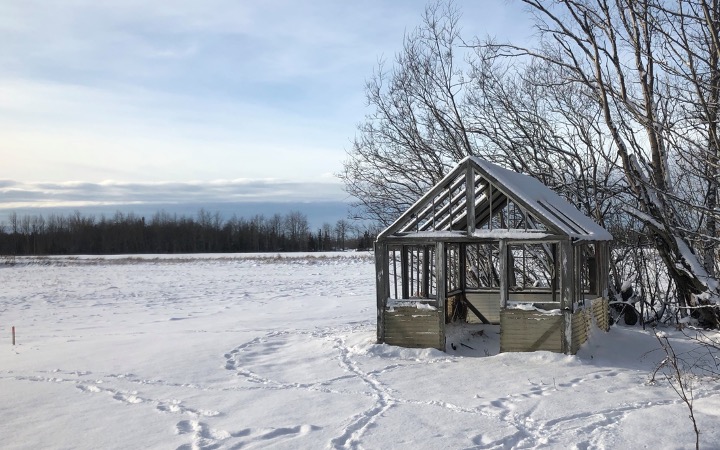
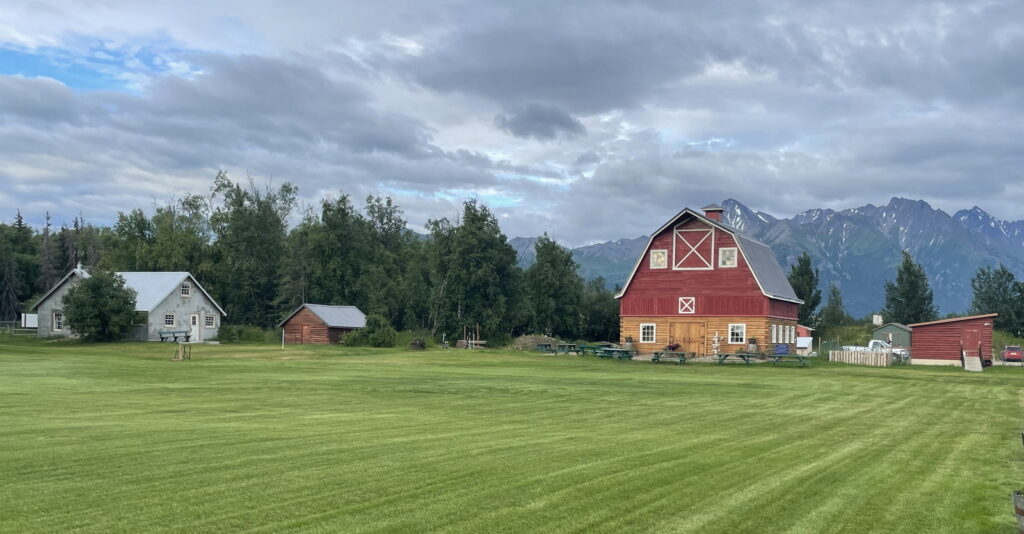
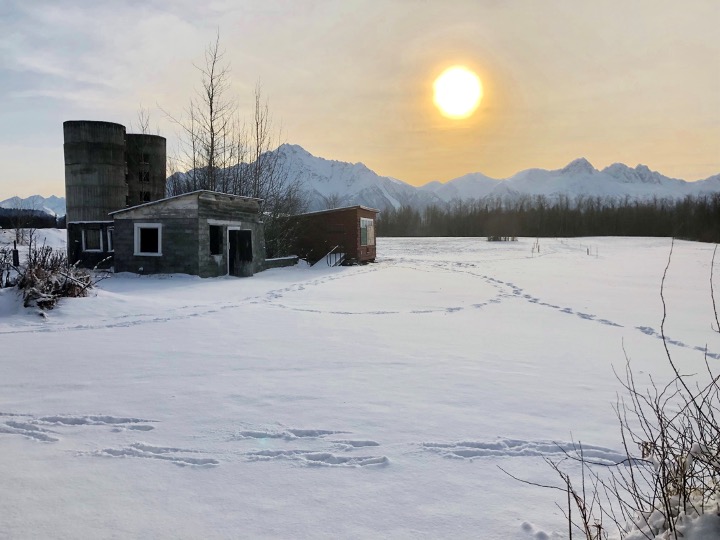
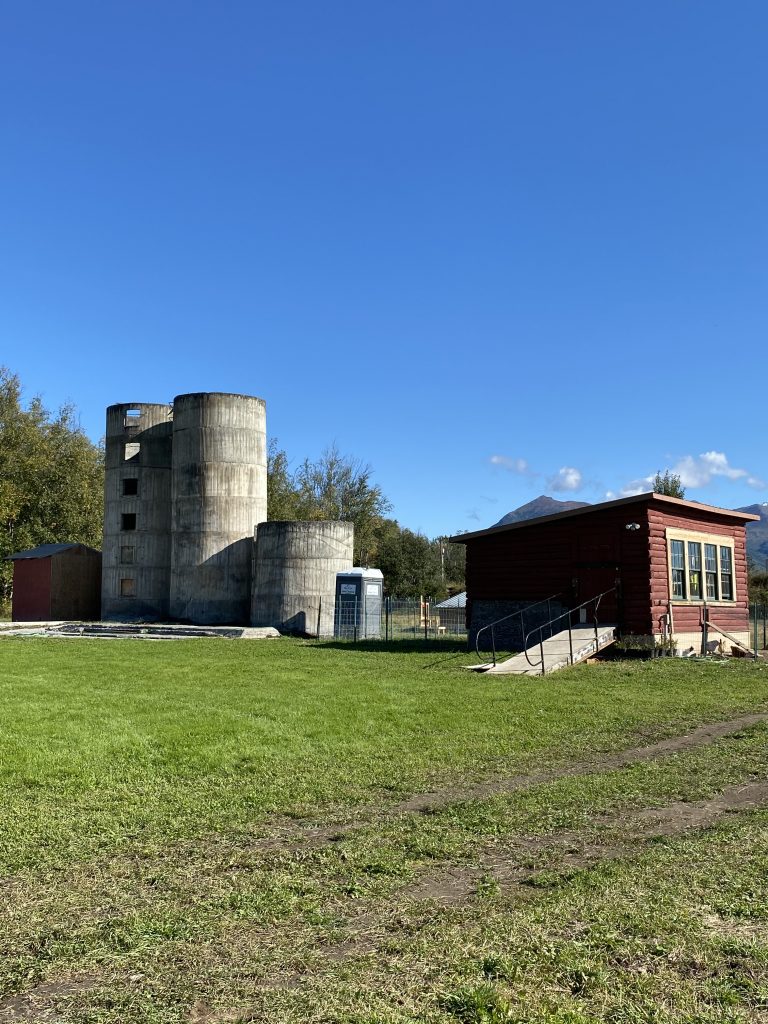
The Raymond Rebarchek Colony Farm is a historic farm property on Rebarchek Avenue in Palmer, Alaska. It consists of a 40-acre (16 ha) tract of land granted to Raymond Rebarchek in a 1935 land lottery organized by the Matanuska Valley Colony, a Depression-era agricultural colony project. Rebarchek farm was one of the first colonist farms in the Mat-Su Valley. The property was listed on the National Register of Historic Places in 1978. At that time the farm complex included ten buildings, including Rebarcheck’s original log house, the first built in the colony, along with a dairy barn, wellhouse, greenhouse, chicken house. The original milking parlor and silo are no longer there but the original farm house is still standing today.
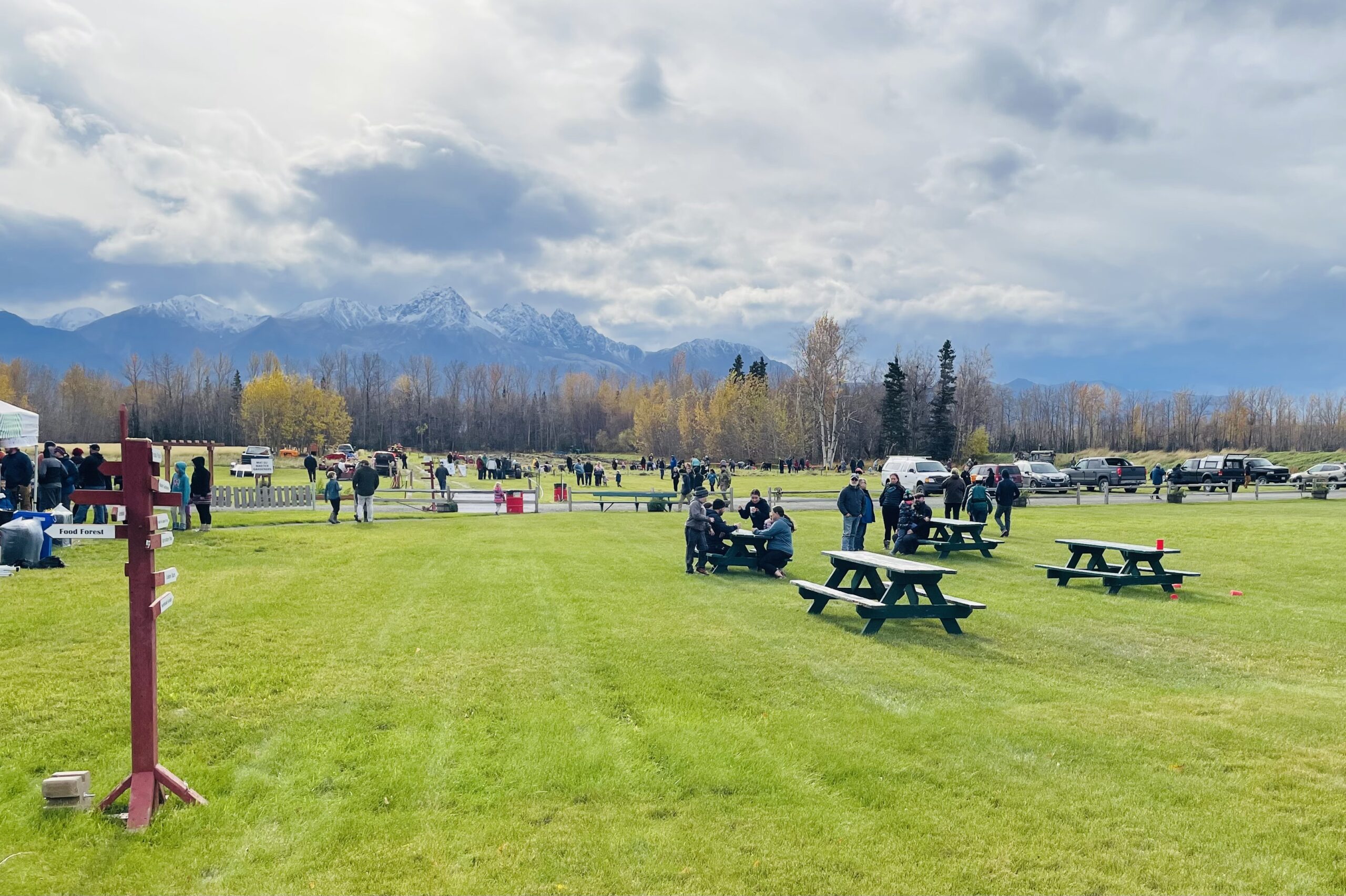
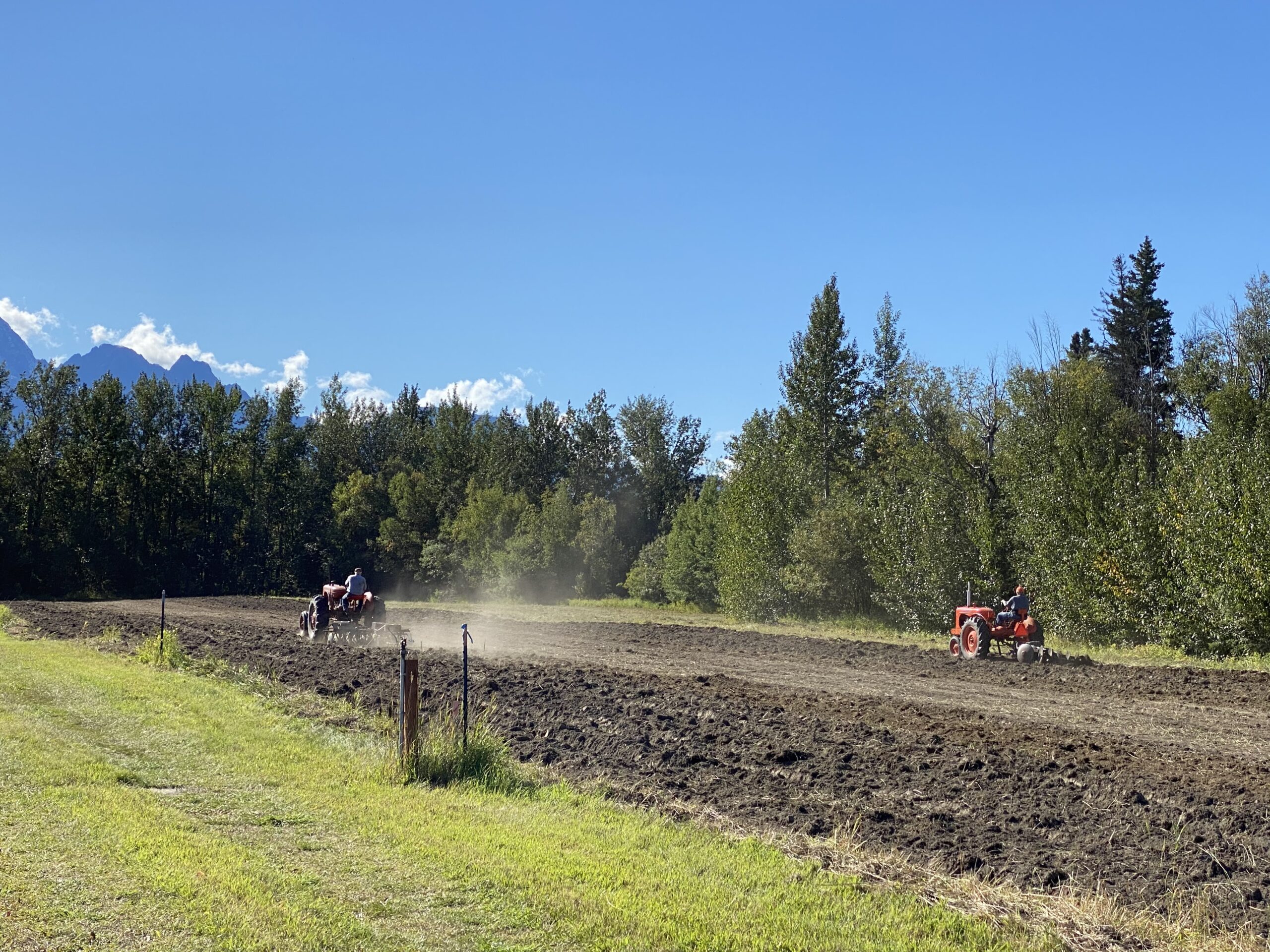
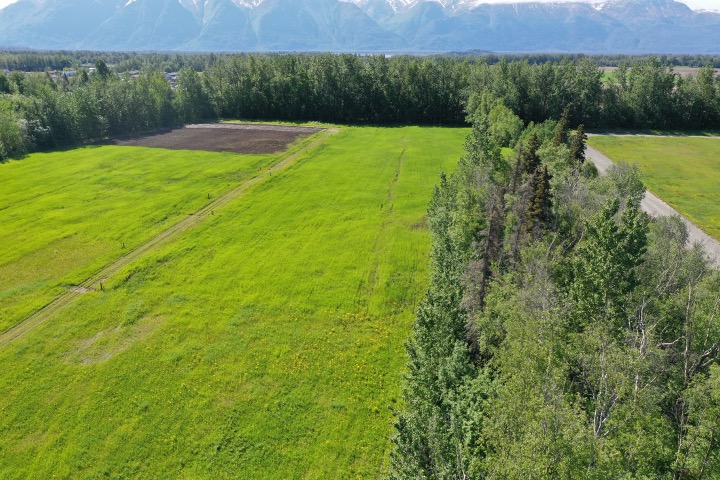
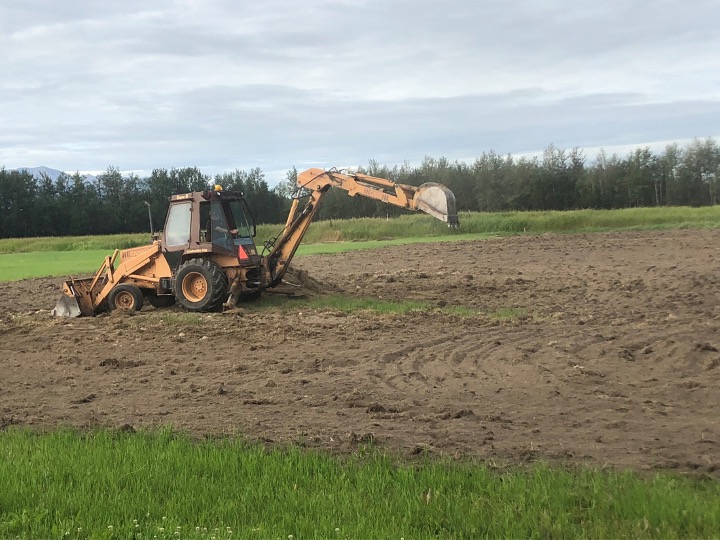
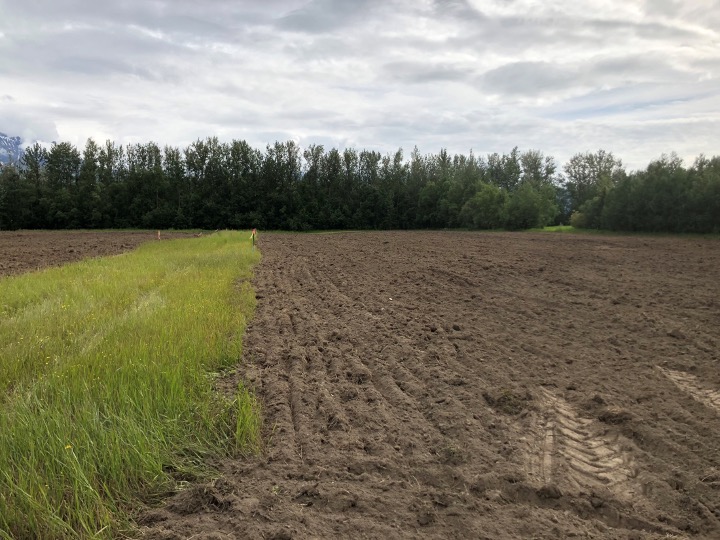
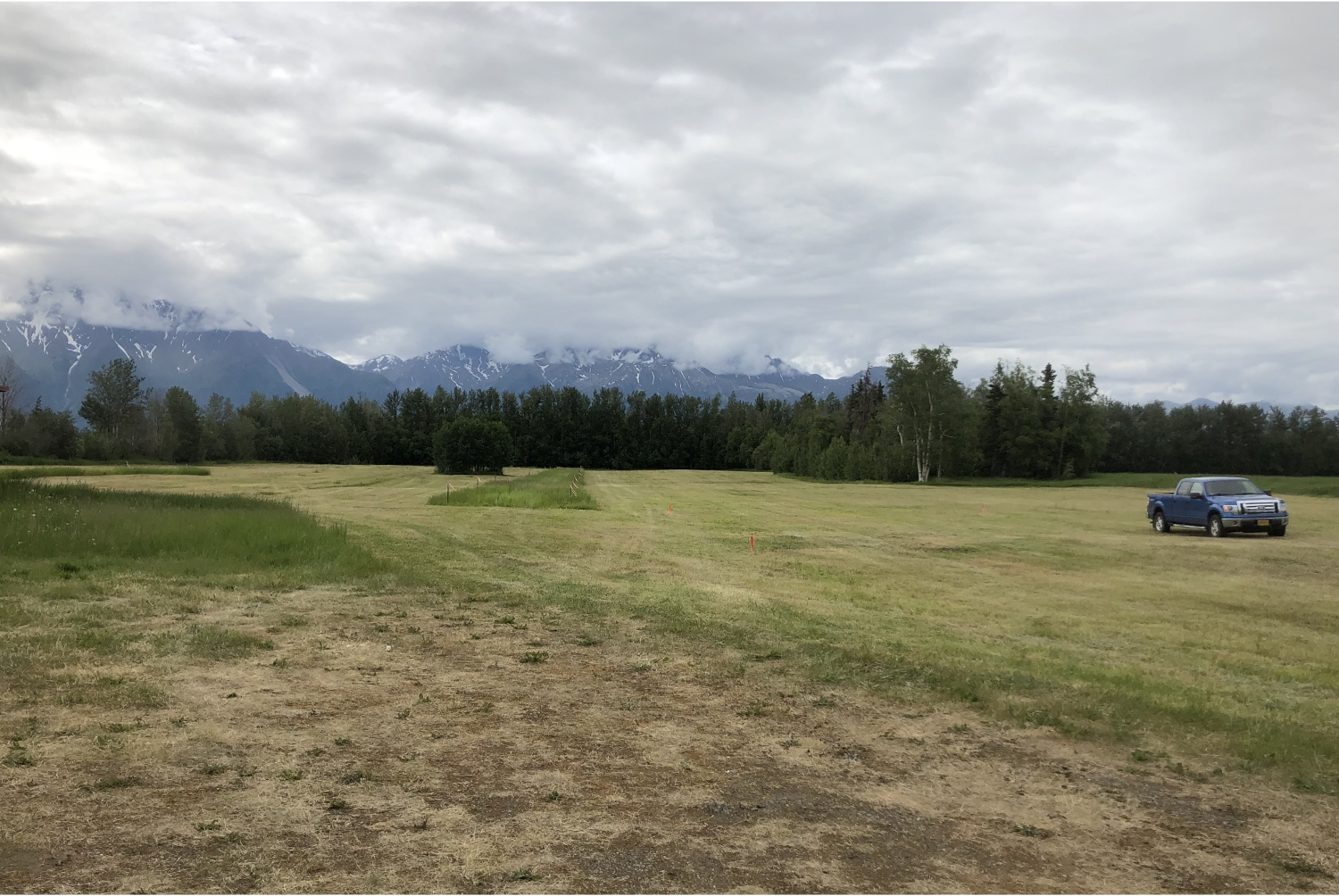
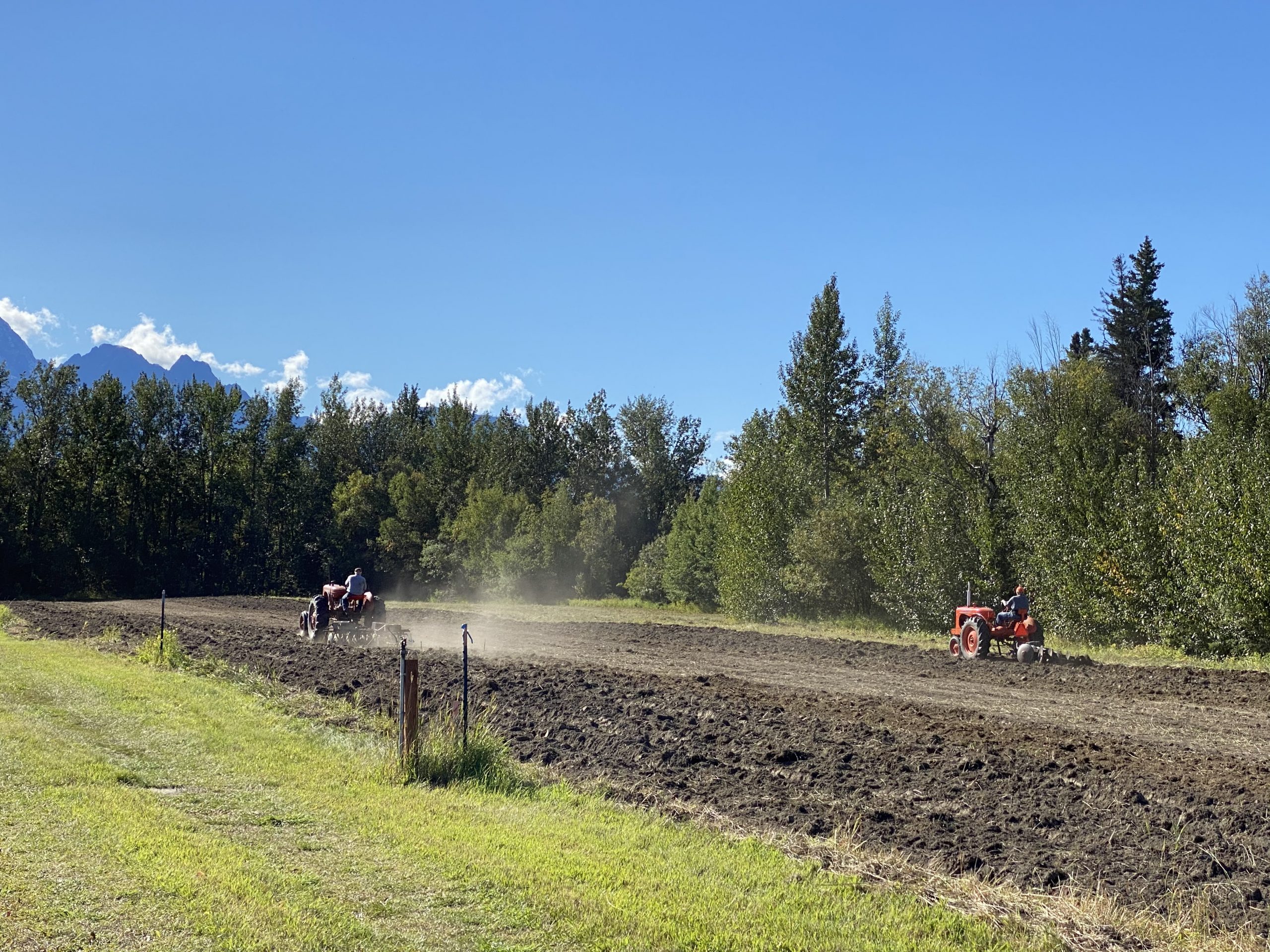
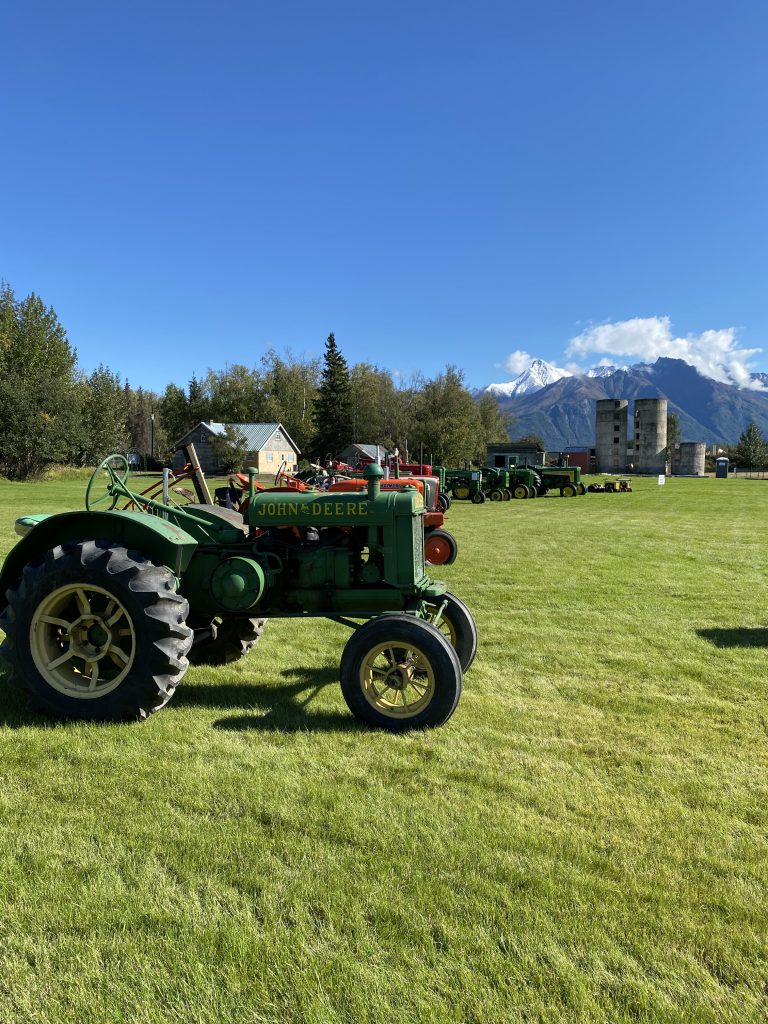
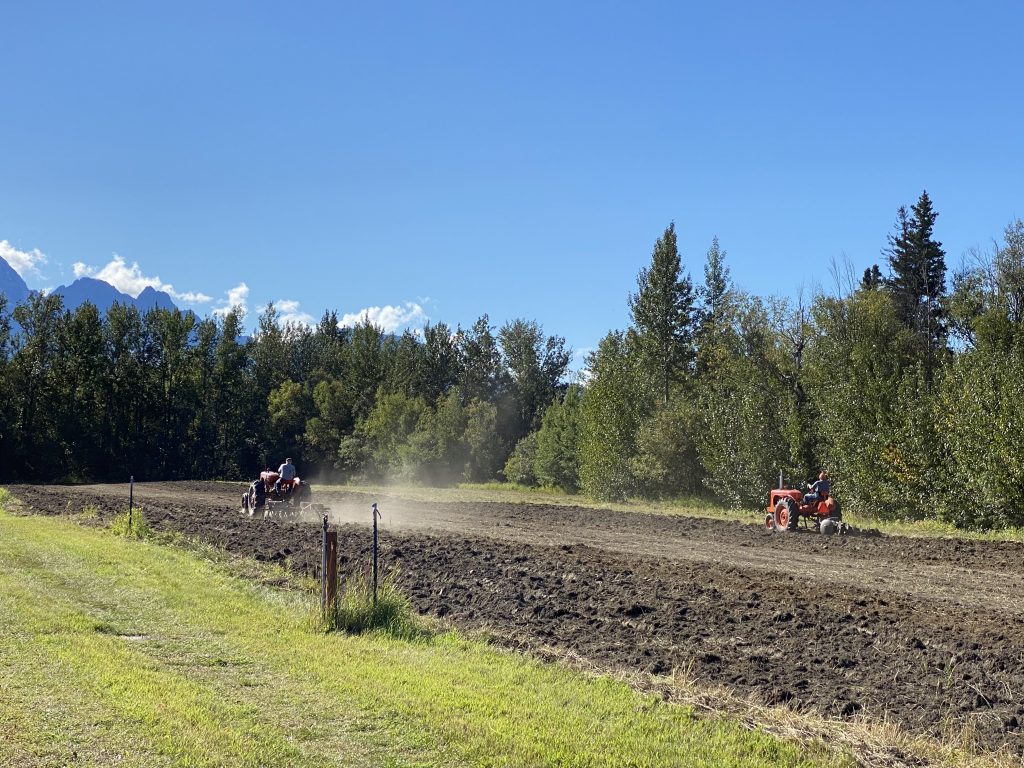
In 2002 the Alaska State Fair purchased the farm and have been developing this area to be a functioning demonstration farm. The land has been leased as experimental 1 and 5 acre lots.
Introducing the Rebarchek Agricultural Park
Regenerative Renaissance
Matanuska - Susitna Agricultural Heritage
-
Central to this movement is the reclamation of traditional ecological knowledge. Alaska Native communities are leading the charge in "rematriating" the land.
-
The Goal: Moving away from corporate-owned resources toward community-owned systems.
-
Action: Organizations like the Native Conservancy are helping Indigenous people establish kelp farms and traditional food programs that prioritize the health of the ecosystem over shareholder profits.
Youth Development
Next Generation of Stewards
-
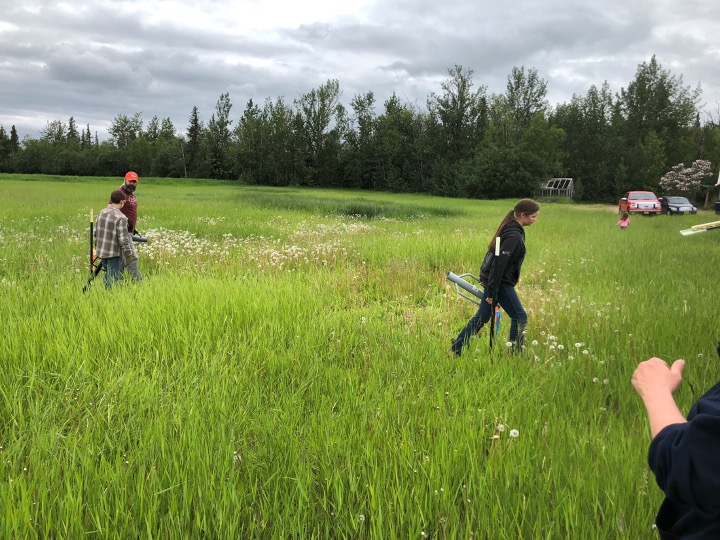
The Youth Development Program at Rebarchek Agriculture Park is designed to cultivate the next generation of land stewards, innovators, and community leaders. By bridging the gap between traditional ecological wisdom and modern regenerative technology, we empower young people to move from being passive consumers to active producers in our local food system.
Donate to Our Cause
Help Us Grow the Future
-
In Alaska, we import roughly 95% of our food. Every time a barge is delayed or a supply chain falters, we feel it. At the Rebarchek Agriculture Park, we aren't just talking about food security—we are building it.
-
We are transforming this historic land into a hub for the Regenerative Renaissance, but we can't do it alone. Whether you are a neighbor with a few dollars to spare or a local business looking to make a lasting impact, your contribution stays right here in the soil.
Rebarchek Land Use
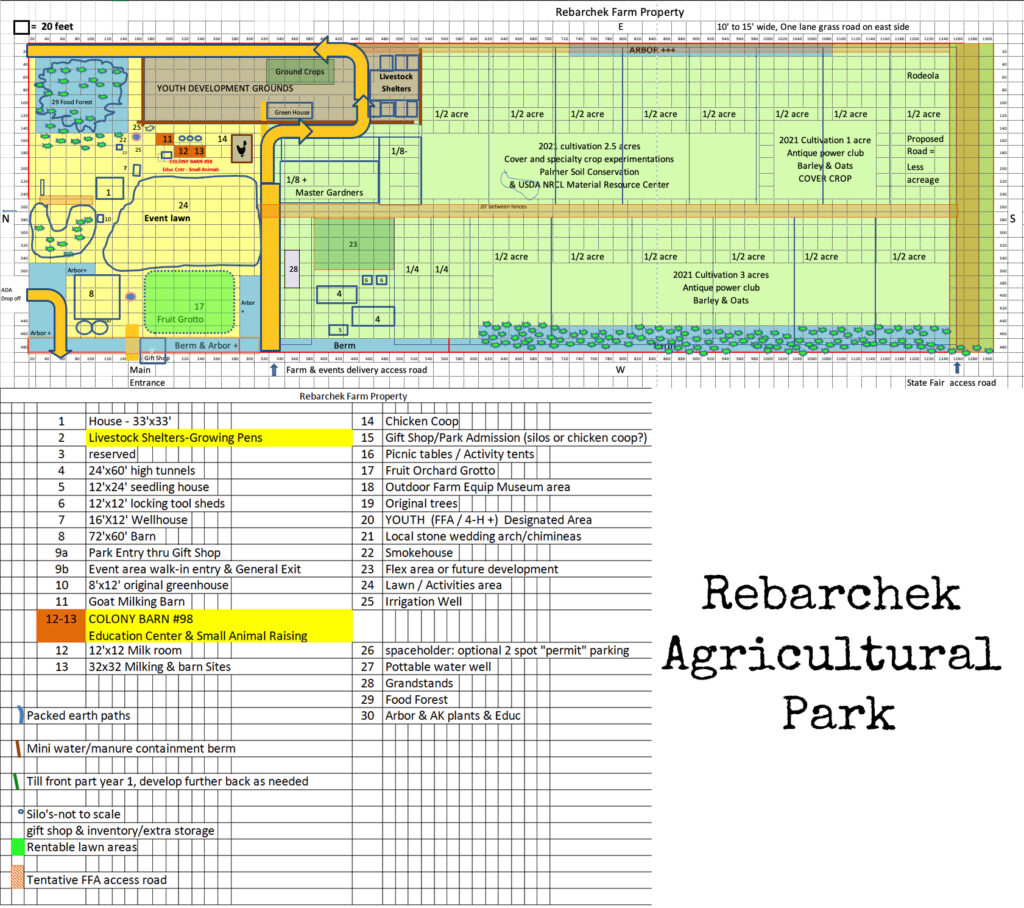
We have a limited number of 1/2 acre parcels of Alaska farmland for lease.
Leases can be made by individuals or families interested in farming. We also have parcels for educational programs and nonprofits.
Goals
“While it can take years to fully develop the confidence and practices of a seasoned farmer, the goal of the Rebarchek land is to provide the soil to start the journey.”
Rebarchek Land Corrdinator 2019
B. Shelden
Historical Farmstead
The Matanuska Colony is just one of President Roosevelt’s New Deal “resettlement communities” and the only example of Agriculture Colonization.
In the spring of 1935, during the Great Depression, 203 families (Matanuska Colonists) were chosen from Minnesota, Michigan, and Wisconsin to relocate to Alaska to develop an agriculture community.
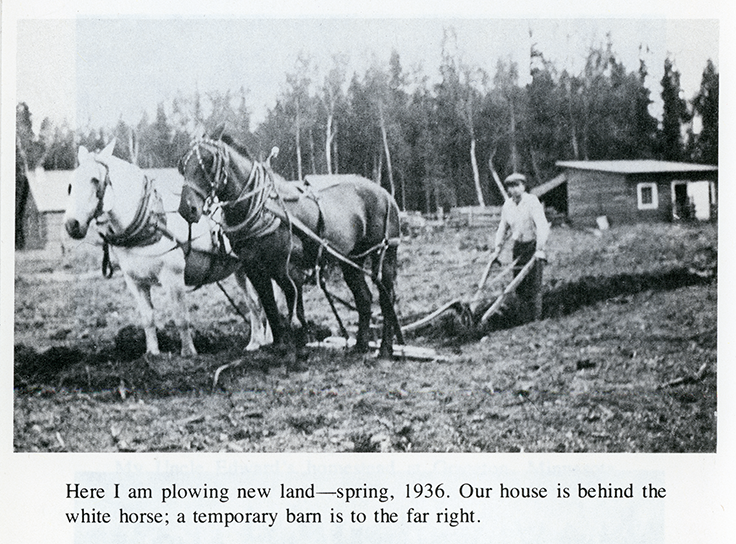
On April 26, 1935, Raymond Rebarchek age 27, along with his young wife Edna, age 19, and their son Ronald, 10 months said goodbye to their family in Minnesota. The Rebarchek family made the long journey by car, train, army transport ship – then again by train to excitedly arrive in Palmer, the place they would call home. Matanuska Colonists settled into a ‘tent city’ anticipating the day of the ‘big drawing’.
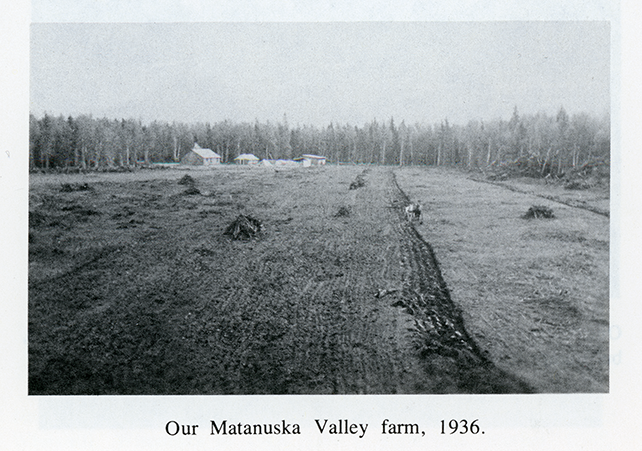
May 23, 1935, was a day that few colonists will forget. It was the day of the drawing to determine their 40 acre tract. Each family would live and establish their farm according to the numbered slip of paper chosen. Ray Rebarchek drew tract 52, went over to the map and discovered the location to be about a mile south of the current townsite of Palmer. Later Ray Rebarchek purchased neighboring tracts 51 and 53 as well.
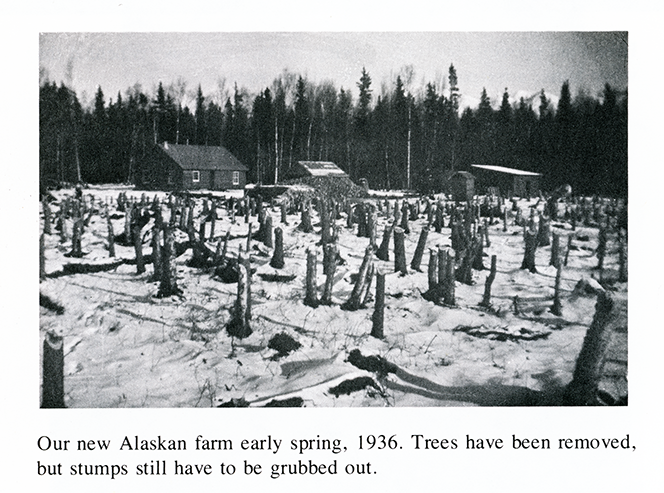
“Our place was simply beautiful; gently rolling, with some of the densest timber I ever saw in my life. The heavy growth was probably the result of the rich soil. We had brought some prized rhubarb plants from Minnesota. As soon as the scouting trip around the perimeter was completed, I scratched brush away from a spot in the woods and stuck in the plants. There was something growing in our ground the next day after the drawing. It was a good feeling.”
- Ray Rebarchek
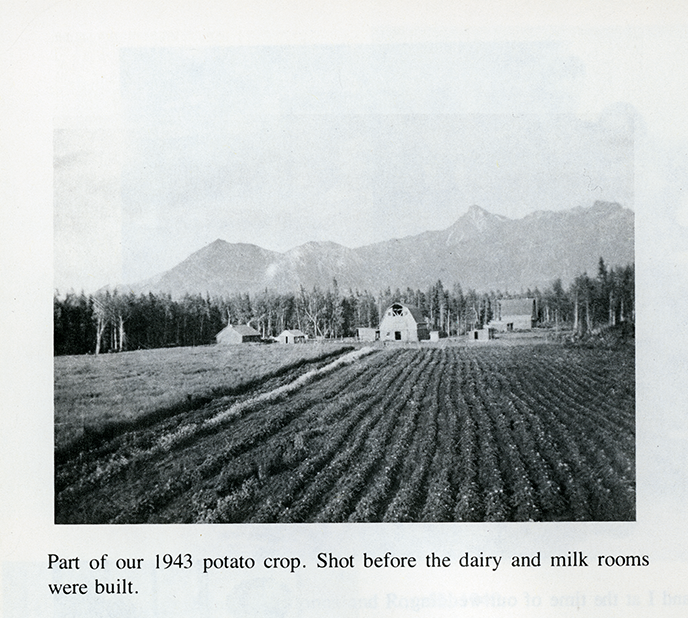
By the fall of 1935 a log farm house was constructed on tract 52 – it was the first house built in the Colony. A barn, chicken coop, wellhouse/sauna, outhouse, and other outbuildings followed shortly after.
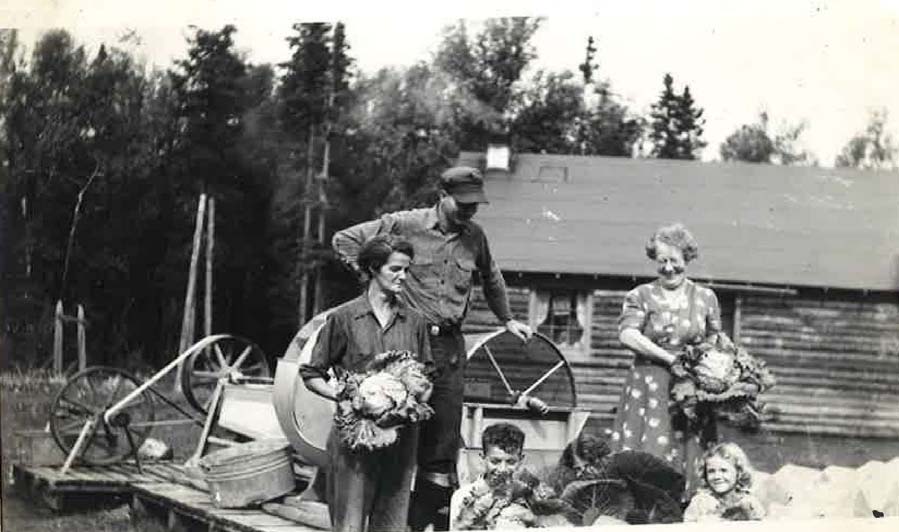
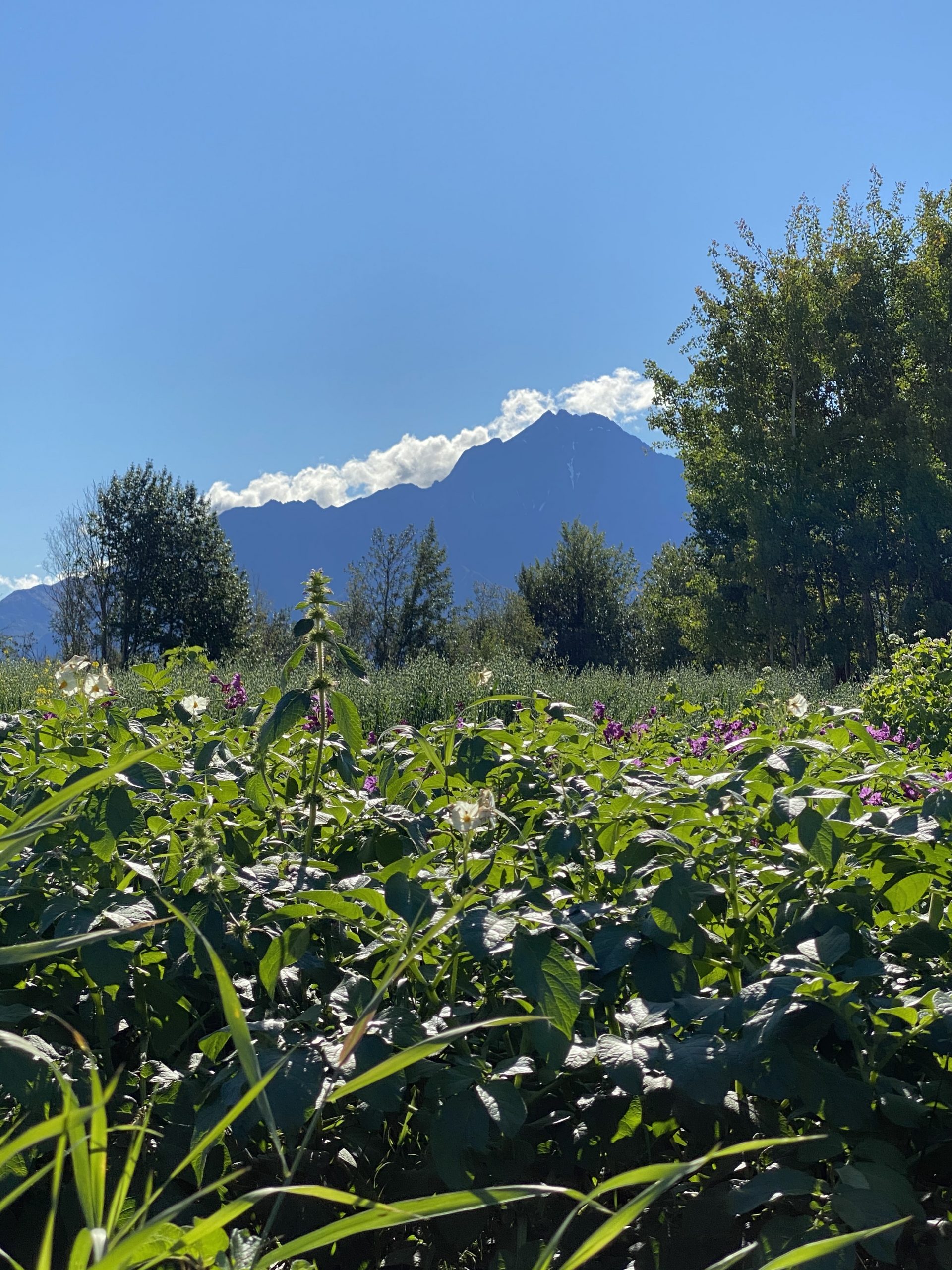
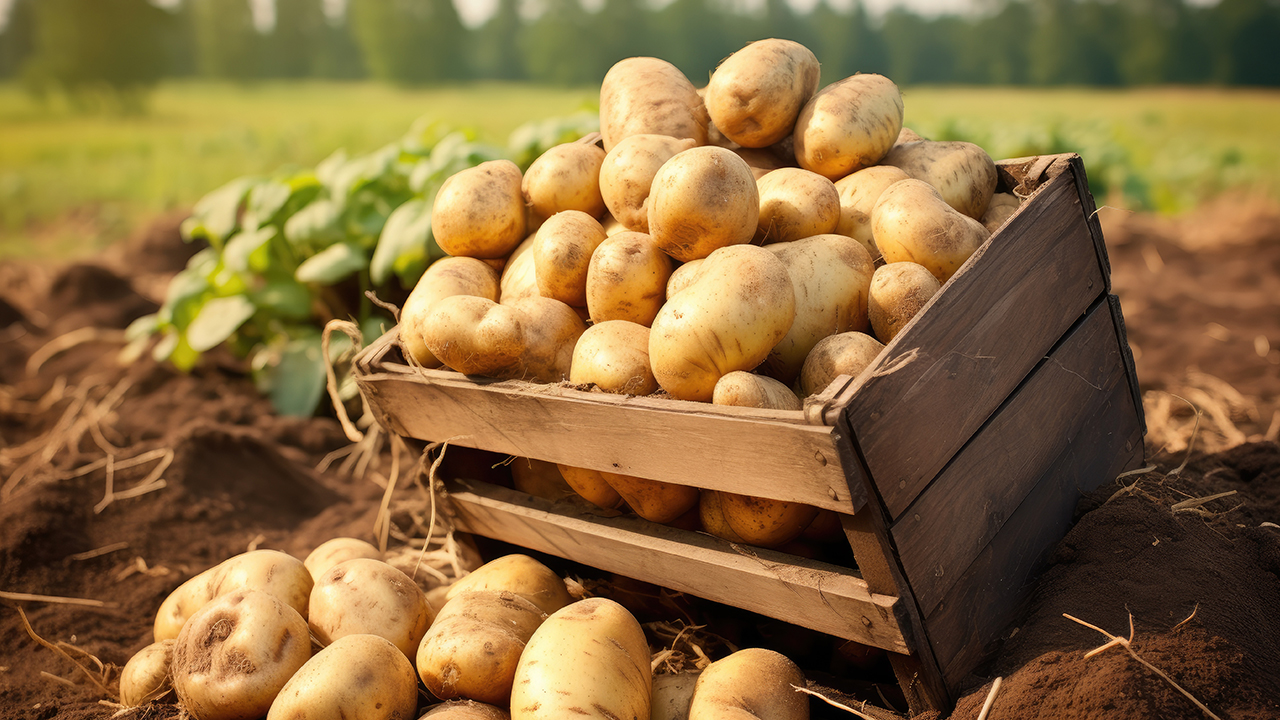
Crops including potatoes, peas, rhubarb, lettuce, cabbage, strawberries, raspberries, oats, barley and more have been planted in the fields and gardens on the Rebarchek farm. The Rebarchek farm also operated as a Dairy between 1945-1970.
In 1978 the farm was listed on the National Register of Historic Places as being significant for American history, Alaskan history, and Matanuska Colony history.
Colony houses, barns and chicken coops are very distinguishable as they were constructed according to a government plan and directions. Many of these structures can be seen throughout the Matanuska Valley today.
We invite you to discover not only Palmer history but American history with a stop at the Rebarchek Historic Homesite!